
All pages in this section
Found
No pages match this search.
About this section
Dear colleagues, students, parents and simply visitors to our website!
Modern life dictates its own rules. Contemporary society has already understood the need for the work of a psychologist and has been able to appreciate how that work can influence society, but, unfortunately, an outdated stereotype still persists: “Whoever goes to a psychologist has problems.” Of course, this is not so, but some people simply do not have time to come to me with their situation, some are embarrassed, and some simply do not believe in the power of psychological help. That is why I decided to help you and to make it easier to get in touch with me.
Ask your question and describe your situation online. You know that the Code of Ethics of the Psychologist will not allow me to disclose your situation to the wider public in any way, but in my reply I will describe it in general terms in order to help others understand similar problems.
Write to the e-mail address, describe your situation, a question that worries you, and so on, and send it. Wait for a reply on the college website, on the psychologist's page, or call.
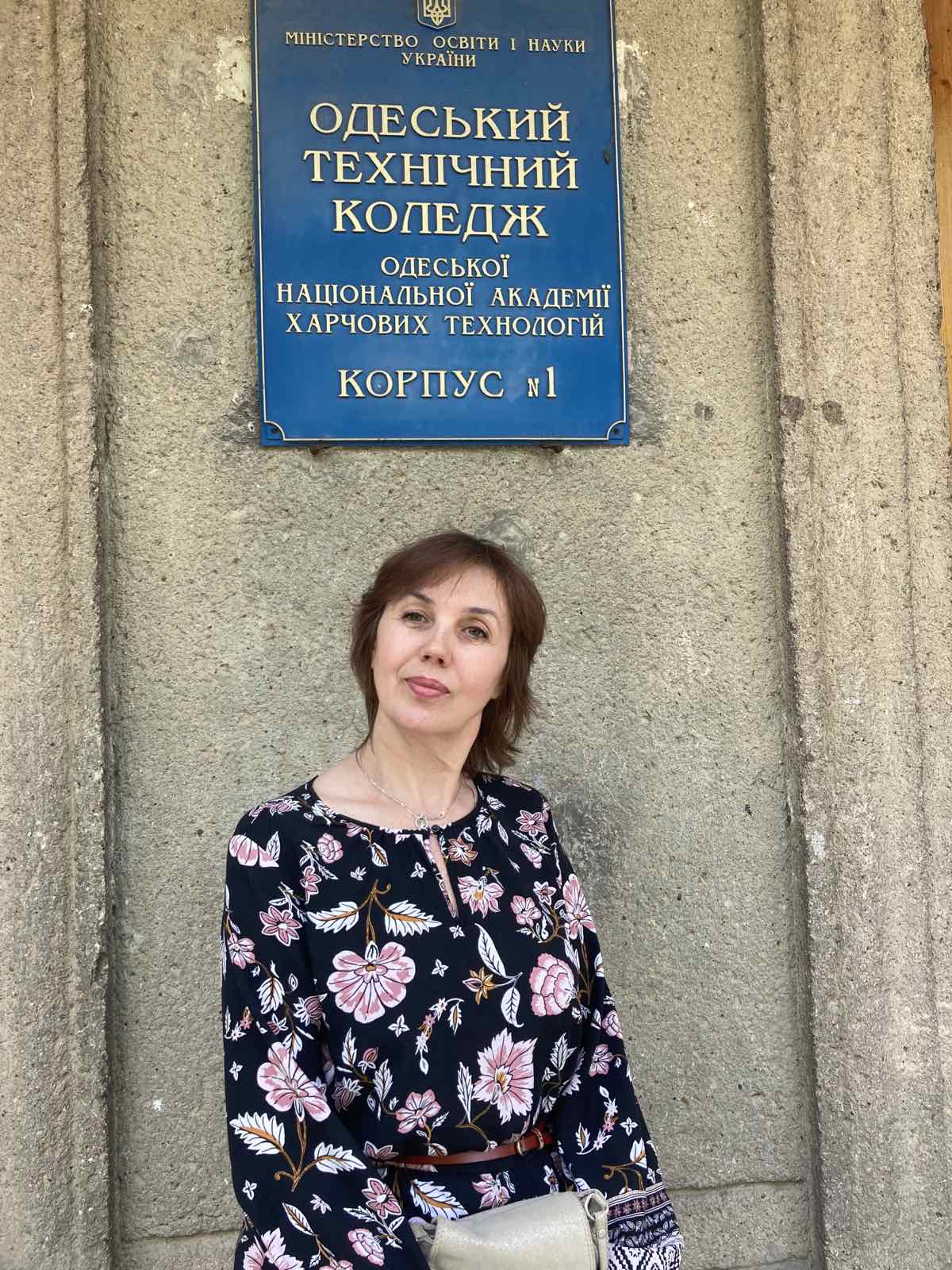
Your practical psychologist,
- Borovyk Larysa Volodymyrivna
To the list of interesting articles ->
The college's psychological service operates in accordance with Order of the Ministry of Education and Science of Ukraine No. 509 of 22 May 2018 “On approval of the Regulations on the psychological service in the education system of Ukraine” and is guided in its work by the Code of Ethics of the Psychologist.
The main aim of the psychological service is to promote the creation of conditions for the social and intellectual development of students, the protection of mental health, and the provision of psychological and social-pedagogical support to all participants in the educational process in accordance with the goals and objectives of the education system.
The task of the psychological service is to preserve and strengthen mental and social health and to promote the personal, intellectual, physical and social development of students by supplementing modern methods of teaching and upbringing with effective psychological and pedagogical technologies; to help ensure psychological safety and provide psychological and social-pedagogical assistance to all participants in the educational process; and to promote the personal growth and professional development of future specialists.
The main areas of activity of the psychological service are:
1. Diagnostics – identifying the causes of difficulties in learning, intellectual development and social and psychological adaptation; studying and determining the individual characteristics of personality development, potential opportunities in the educational process and in professional self-determination;
2. Prevention – timely warning of deviations in personal development and formation and in interpersonal relationships, and prevention of conflict situations in the educational process;
3. Correction – eliminating identified difficulties in the social and psychological development of students, reducing the risks of problems with adapting to the educational environment, of a tendency towards addictions and offences, and of various forms of deviant behaviour;
4. Educational activity – a form of active cooperation aimed at improving, developing and shaping the personality;
5. Counselling – a multifunctional type of individual and group work aimed at addressing the requests made by participants in the educational process;
6. Public relations – activity aimed at achieving mutual understanding and cooperation between individuals, teams, social groups, organisations and state governing bodies;
7. Education and awareness – developing the psychological and social competence of participants in the educational process.
Answers to the most frequently asked questions:
How can I get psychological help within the college?
-
Contact the psychologist in person. The psychologist's office is in Building II, room 103
-
Call. Contact telephone number: +380503926496
-
Write. E-mail address: didrikson@ukr.net
What should I say?
Step 1. Tell the psychologist that you would like to come for a psychological consultation and state the topic of your request (in a few words, what it will be about).
Step 2. Together with the psychologist, agree on a convenient time and place for the consultation (one consultation lasts up to 1 hour and takes place in the psychologist's office or online, if necessary).
What problems can I come with?
An approximate list of requests if you are a student: difficulties with studies, lack of motivation to study, anxiety before presentations or examinations, general anxiety, lack of self-confidence, problems in relationships (“student – student”, “student – group”, “student – lecturer”, “children – parents”), adaptation to new study conditions, self-improvement, self-exploration, professional self-determination, bullying, suicidal thoughts, and so on.
An approximate list of requests if you are a lecturer: adaptation to new working conditions, the psychological aspects of working as a group tutor, lack of motivation for work, irritability, “emotional burnout” syndrome, difficulties in communicating with students, colleagues, and so on.
If you are unsure whether to turn to a psychologist, this article is for you!
Important!
The college's practical psychologist provides counselling only to participants in the educational process and exclusively on psychological matters that have arisen during the teaching and educational process.
- Life is the highest value
- Cyberbullying – what is it and how to stop it?
- A psychologist's advice on how first-year students can adapt to studying easily.
- Psychology for everyone.
- Psychology – myths and truth.
- About the psychological service
- 10 tips on how to protect your emotional state and mental health during the war
- Interaction algorithm for the prevention of and response to bullying